
Four PhD scholars from the Responsible AI Lab (RAIL), Albert Dede, Amina Salifu, Matthew Cobbinah, and Julius Adinkra, have earned their doctorates in Computer Engineering. Their research exemplifies RAIL’s core mission to develop innovative, equitable artificial intelligence that directly addresses real-world challenges.
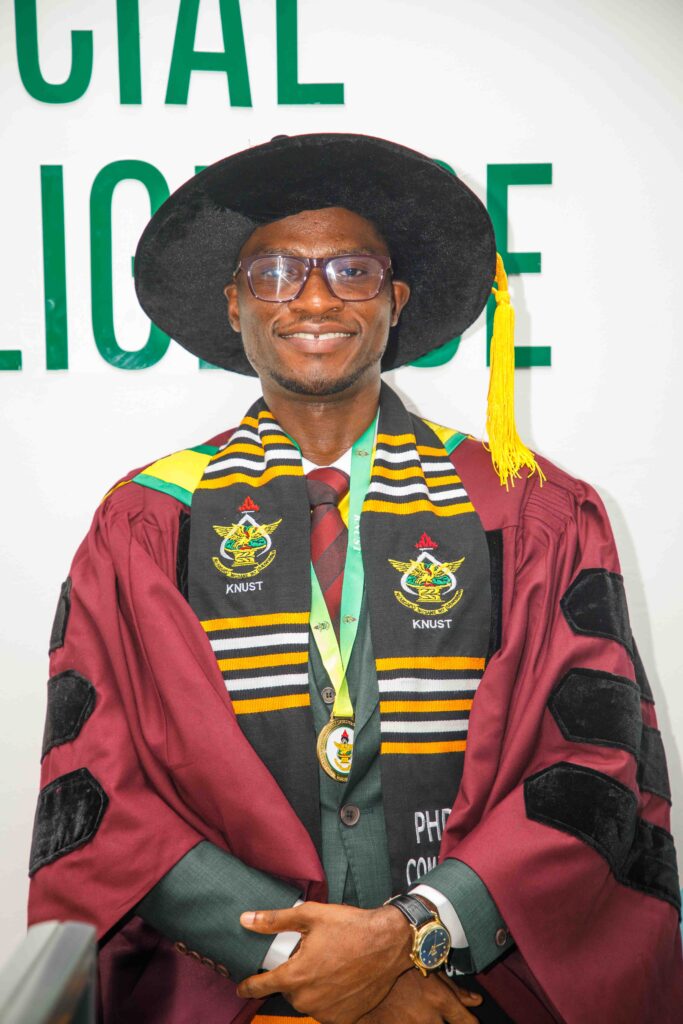
Albert’s research tackled the complex computational challenges of analysing gigapixel-resolution medical images, such as those used in pathology. By employing advanced deep learning and weakly supervised methods, he developed innovative techniques, including wavelet-based feature extraction, to process these massive images efficiently and accurately. His seminal work, which includes a key systematic review for the field, has been published in leading journals like Engineering Reports and paves the way for more powerful AI-assisted medical diagnostics.
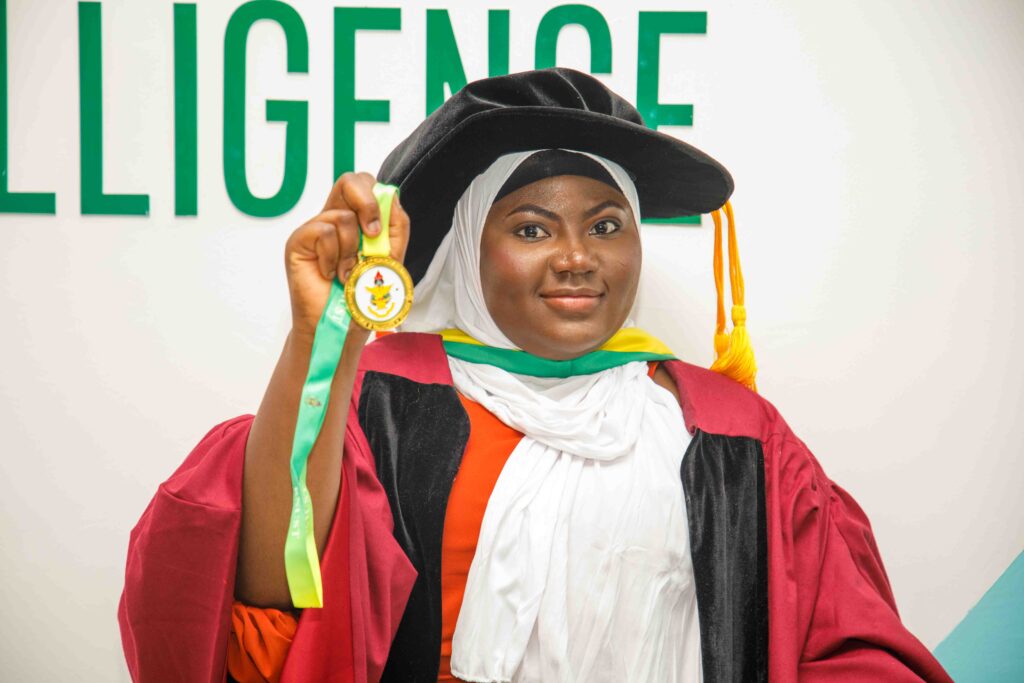
At the intersection of Natural Language Processing (NLP) and Machine Learning, Amina’s work focused on developing deep learning models to detect native and non-native English speakers. With a special emphasis on identifying Ghanaian English accents, her research lays the crucial groundwork for more inclusive and accurate speech recognition technologies. Her efforts are a vital step toward ensuring AI systems are tailored to diverse linguistic contexts and serve a global audience.
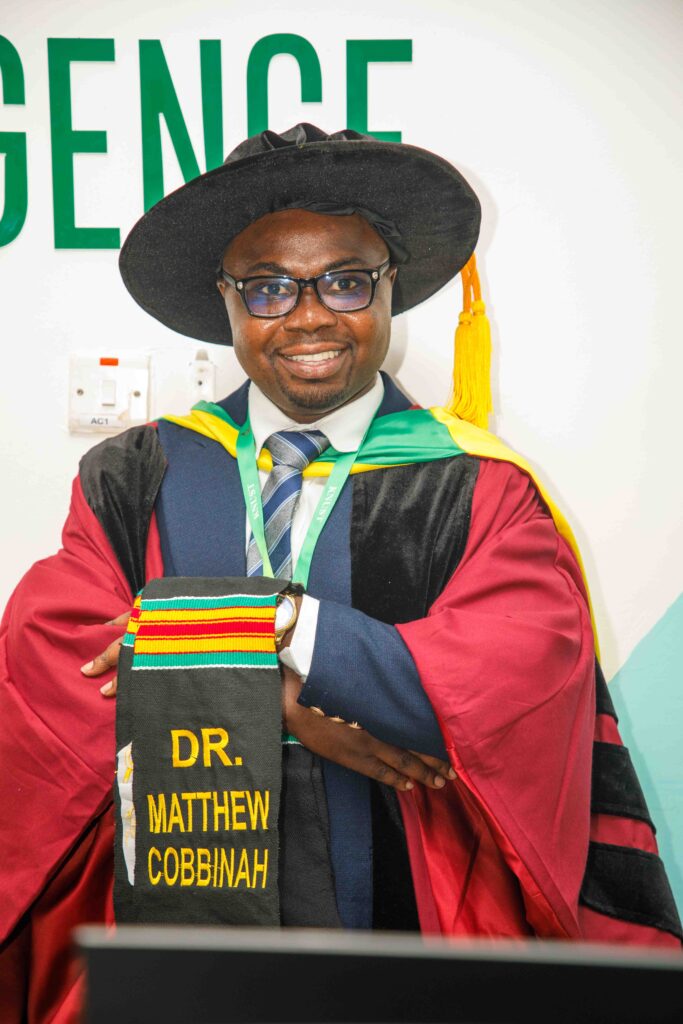
Matthew addressed critical challenges in generative AI by focusing on unpaired medical image translation, for instance, converting CT scans to MRIs. To overcome common issues like mode collapse, he developed novel architectures named DeCGAN and Attn-DeCGAN. These models produce synthetic medical images with superior anatomical accuracy, a result validated by expert radiologists. His work directly contributes to the creation of more reliable and trustworthy generative AI tools for clinical support.
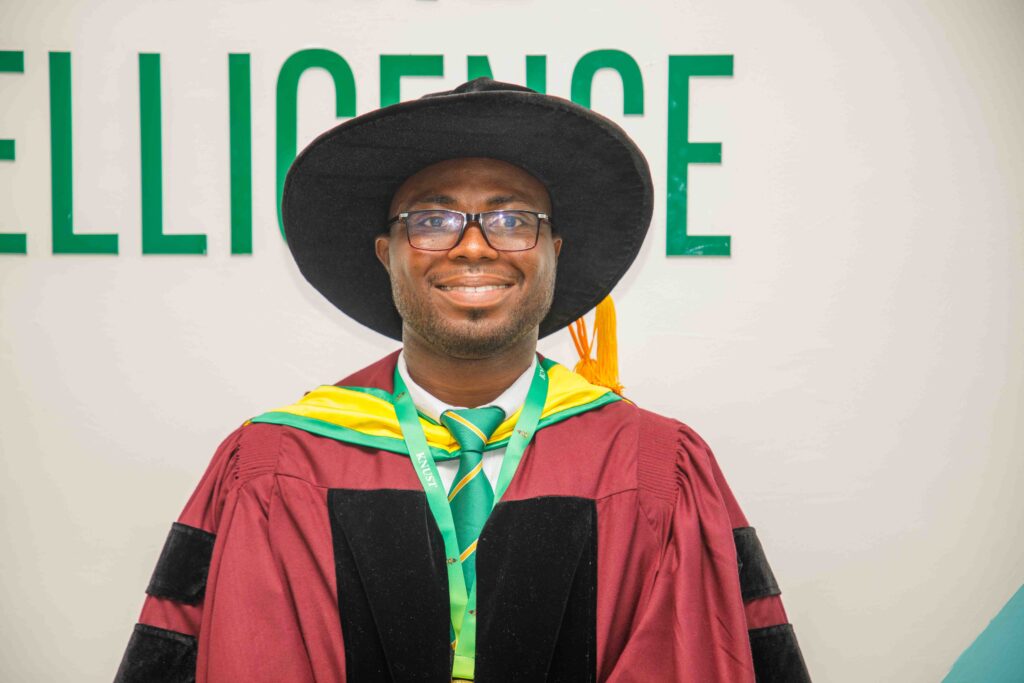
Julius tackled the critical challenge of rural electrification in Africa. His research leverages deep learning and stochastic modelling to create accurate frameworks for forecasting electricity demand in remote, underserved communities. By providing these data-informed strategies, his work helps prevent inefficient grid planning and enables more sustainable, equitable, and economically viable access to energy.
The entire RAIL team celebrates these remarkable scholars and the profound impact their research will continue to have.