
The Responsible AI Lab (RAIL) held its Phase II Robotics Challenge for Cohort II, where St. Louis Senior High School and Opoku Ware MA Junior High School emerged as champions, each receiving a cash prize of GH₵3,000, medals, and a plaque for their outstanding, technology-driven solutions.
The competition featured brilliant innovations from three Junior High Schools (JHS) and four Senior High Schools (SHS), with student projects addressing critical needs in agriculture, energy, health, and environmental management.
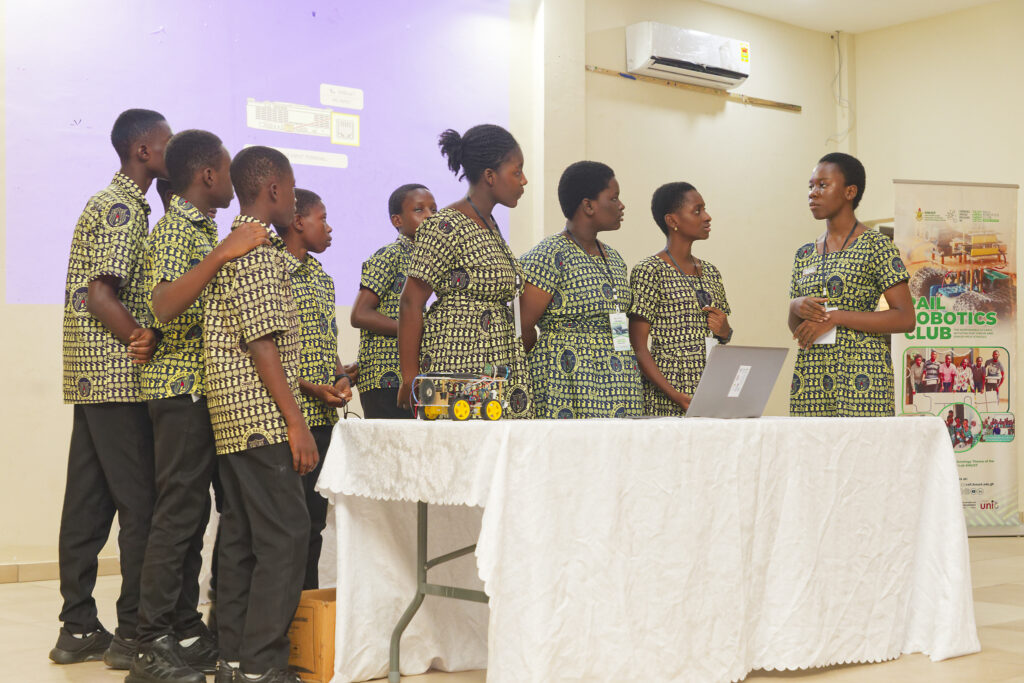
In the JHS category, Opoku Ware MA JHS took first place with “AsaaseTom Guard,” a smart robotic system designed to detect and monitor crop diseases in tomato plants, while Good Shepherd R/C JHS secured second with a garbage collection robot to improve sanitation, and Ayeduase R/C Basic School placed third with a smart soil and crop nutrient deficiency detection system.
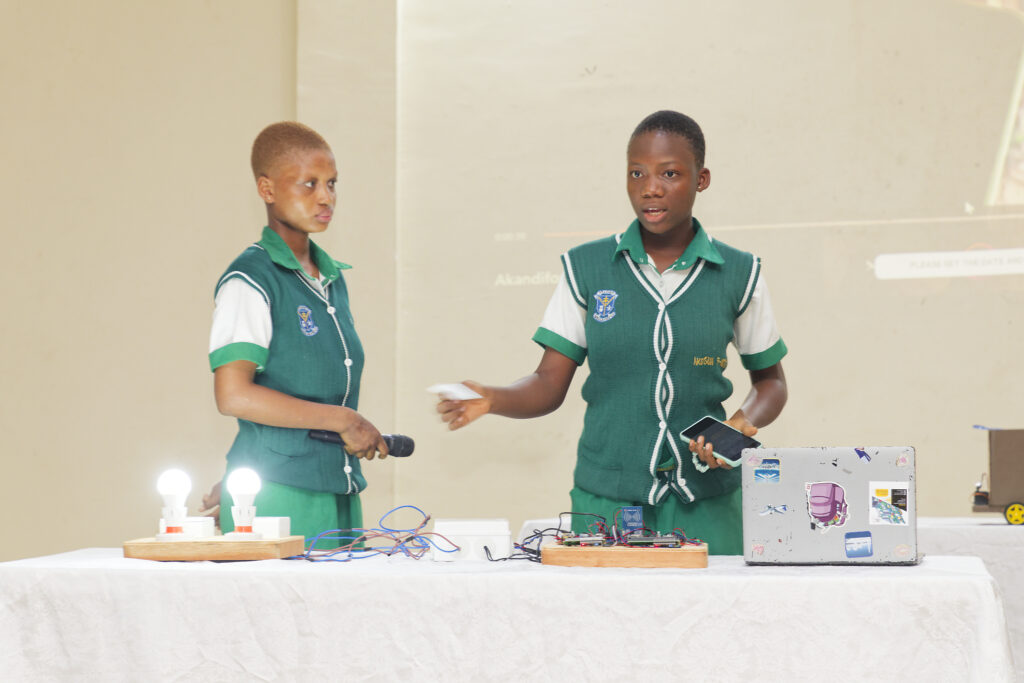
In the SHS category, St. Louis SHS emerged as the winner with “Akandifour Energy Meter,” a self-regulating energy meter that allows users to monitor and control electricity usage via Bluetooth and Wi-Fi. Dormaa SHS placed second with a poultry disease detection system, Mawuli School came third with a semi-autonomous agricultural robot powered by machine learning, and KNUST SHS finished fourth with “MedMate,” an AI-powered healthcare assistant for basic health consultations.
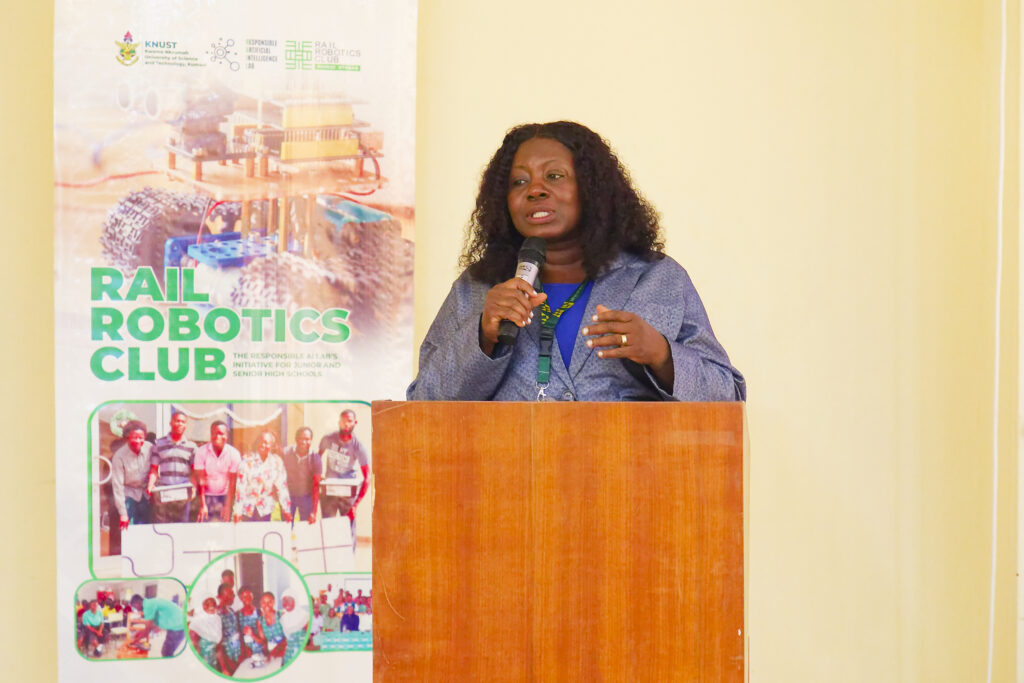
Ing. Prof. Mrs. Eunice Akyereko Adjei, RAIL Women in Technology Thematic Lead, stated that the challenge was designed to celebrate the creativity, resilience, and curiosity of young scientists. “Though their beginnings may be small, their future is destined for great bliss. These young innovators will manifest the inventions the world is waiting for,” she said.
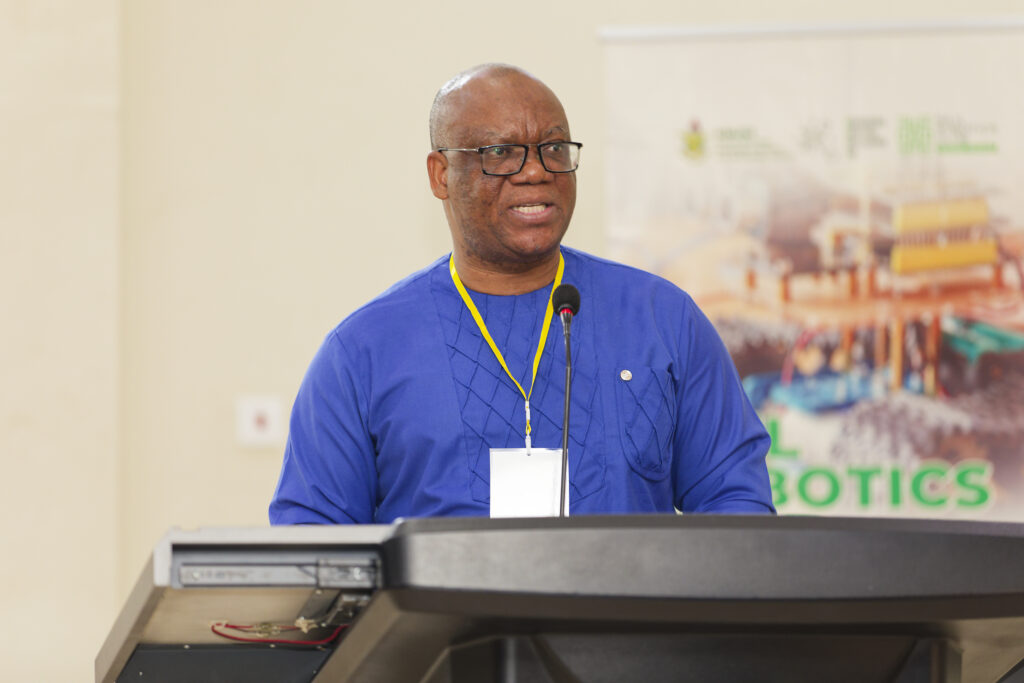
Prof. Jerry John Kponyo, Principal Investigator and Scientific Director of RAIL, used the occasion to call for the integration of robotics and AI into Ghana’s national curriculum. “It is important that we find a way of integrating robotics and AI into mainstream education, so it does not remain limited to a few schools, but becomes part of how we educate every child,” he emphasised.
He highlighted RAIL’s focused interventions in applying AI to critical sectors like agriculture, healthcare, and education. As part of advancing AI-driven quality education, Prof. Kponyo disclosed that RAIL, through its Women in Technology Theme, has established robotics clubs in 22 schools across 14 regions, building early capacity among young learners.
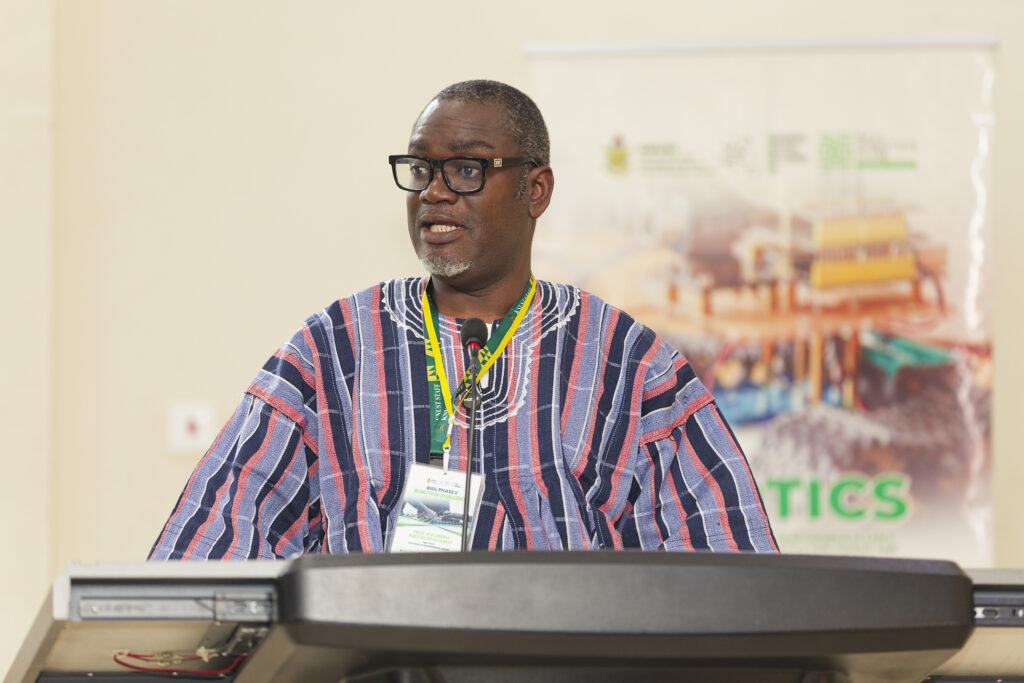
The Provost of the KNUST College of Engineering, Prof. Kwabena Biritwum Nyarko, commended RAIL for instilling responsible AI practices. “The RAIL participation shows what we can achieve when we work together. Science and technology, particularly AI, are what will transform our economies,” he said. He encouraged the students to consider engineering programmes at KNUST, adding, “You are our future.”
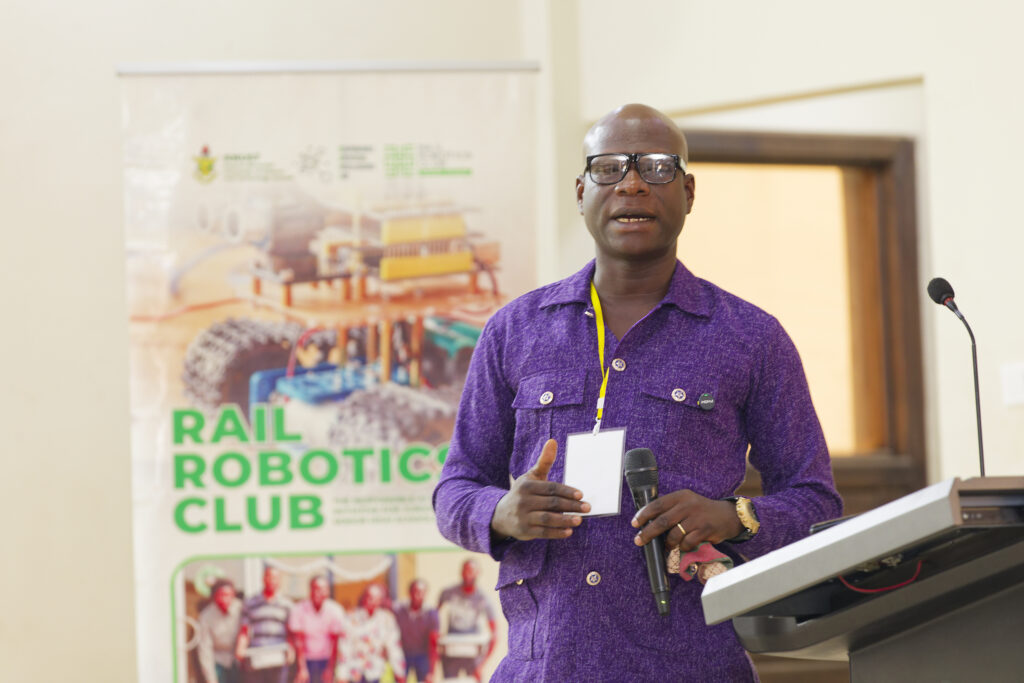
The event also featured practical insights on innovation adoption from Mr. Kwabena Yeboah Agyiri of Evidence Farms. He highlighted strategies for improving the adoption of technological innovations within local communities. He spoke about engaging community stakeholders, demonstrating clear benefits, and aligning innovations with local needs to ensure sustainable impact.
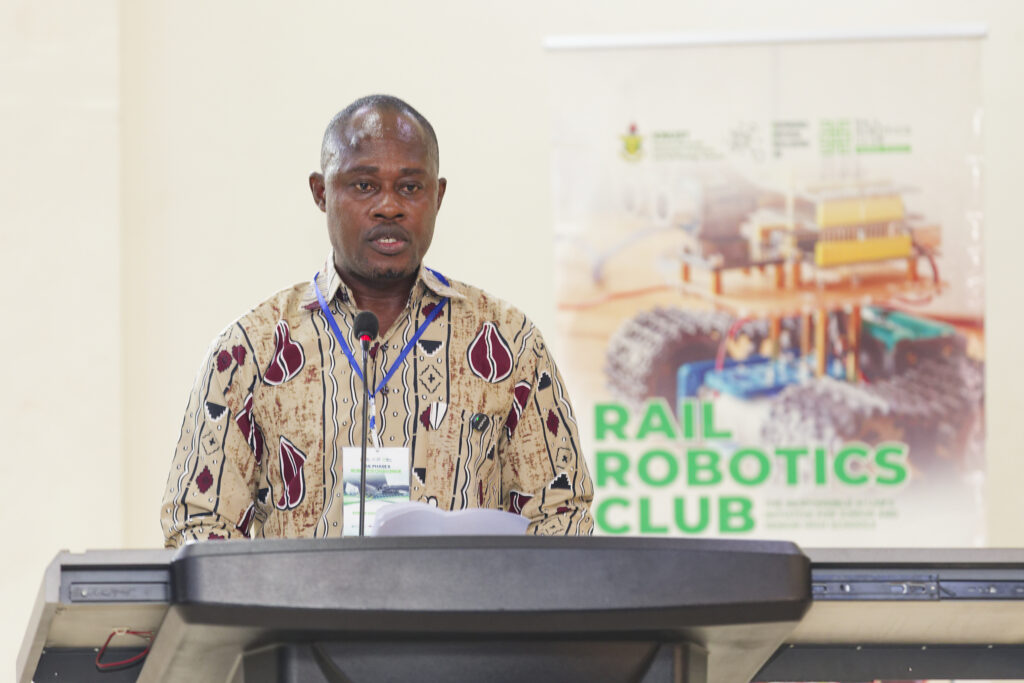
In a solidarity message delivered on behalf of the Director of the National STEM Resource Unit, Mrs Olivia Serwaa Opare, the National Coordinator, Mr Emmanuel Ocquaye, expressed the Ghana Education Service’s gratitude for RAIL’s formal invitation to collaborate, noting it as a demonstration of trust and a shared vision for advancing STEM.
“The Ghana Education Service is grateful for the formal invitation extended by Prof. Jerry John Kponyo and the RAIL team, inviting our participation and requesting our collaboration in coordinating robotics and artificial intelligence activities in GES schools. This invitation is a clear demonstration of trust in the Ghana Education Service. It affirms the shared vision between academia, research institutions, and pre-tertiary education in advancing STEM and emerging technologies for national development. “
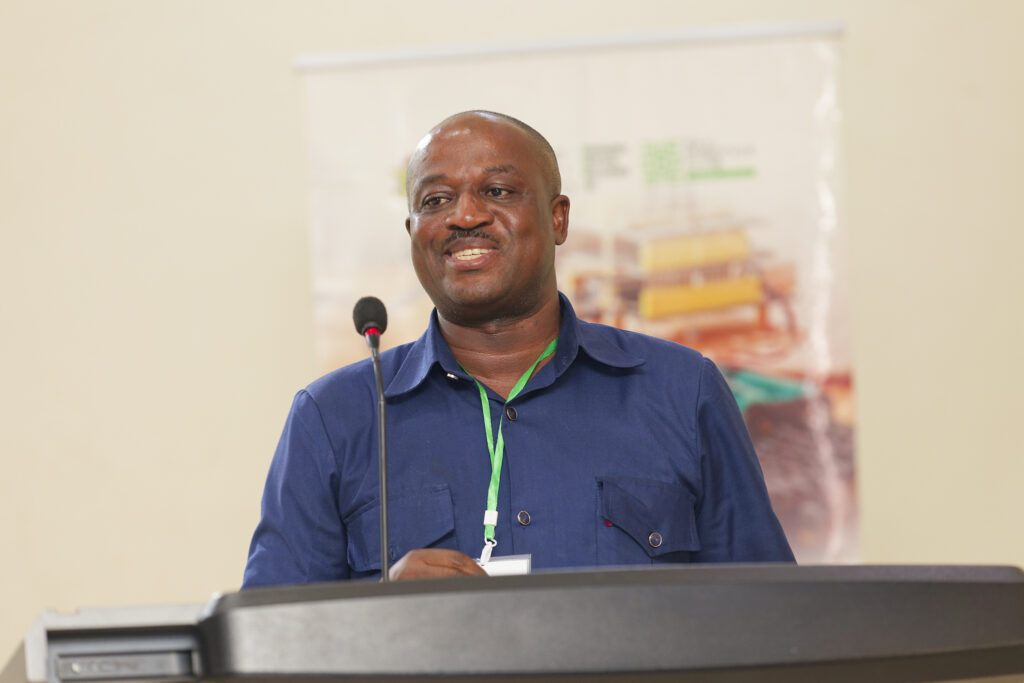
In a message delivered on behalf of the Ashanti Regional Director for Education by Regional Training Officer, Mr Kingsley Amfo, the critical role of structured strategies for scaling Robotics and AI education was emphasised. Aligning with Ghana’s National AI Strategy, the speech outlined a regional roadmap focused on teacher capacity building, anchoring learning in local problem-solving, establishing mentorship networks, and creating clusters to maximise resources. These efforts have already demonstrated impact by strengthening students’ critical thinking, readiness for local development challenges, and inclusion, particularly for girls and rural schools.
The address concluded with a call to action for students, educators, and district leaders to sustain this momentum through disciplined practice, dedicated training, and supportive policies, thereby fully integrating these technologies into the region’s educational fabric.