
Prof. Jerry John Kponyo, Principal Investigator and Scientific Director for the Responsible AI Lab (RAIL), was a keynote speaker at the Ghana Robotics Academy Foundation (GRAF) Awards Ceremony. In recognition of his outstanding contributions to Science, Technology, Engineering, and Mathematics (STEM) in Ghana, Prof. Kponyo was presented with a medal.
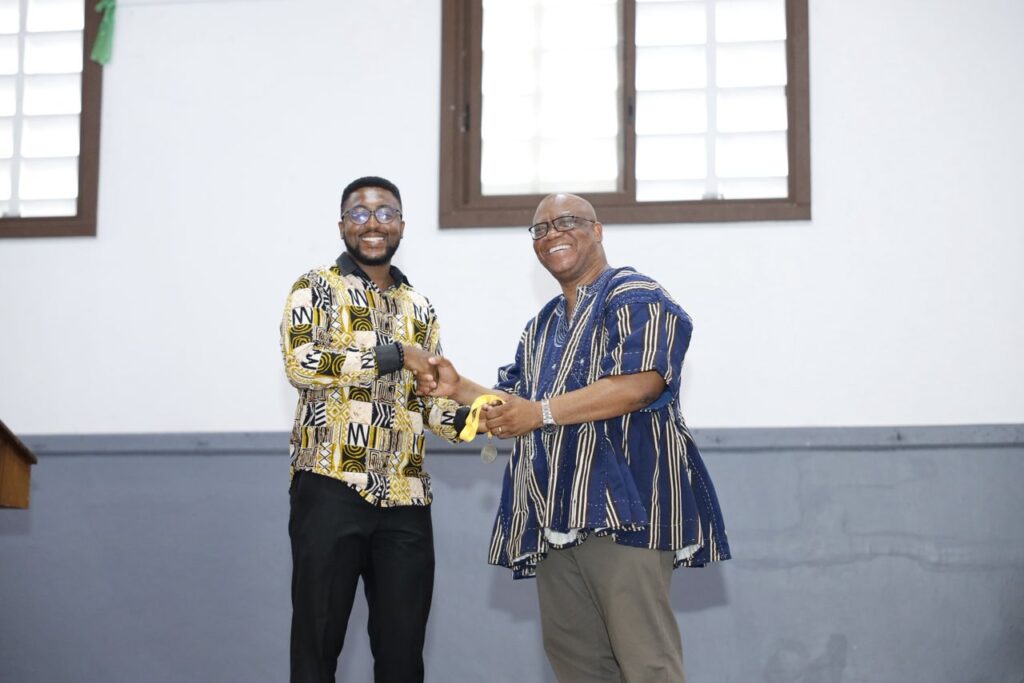
The event, which celebrated excellence and innovation in robotics and STEM education, also featured a panel discussion on the future of STEM and robotics in Ghana, where Prof. Kponyo shared insights alongside other leading figures in the field.
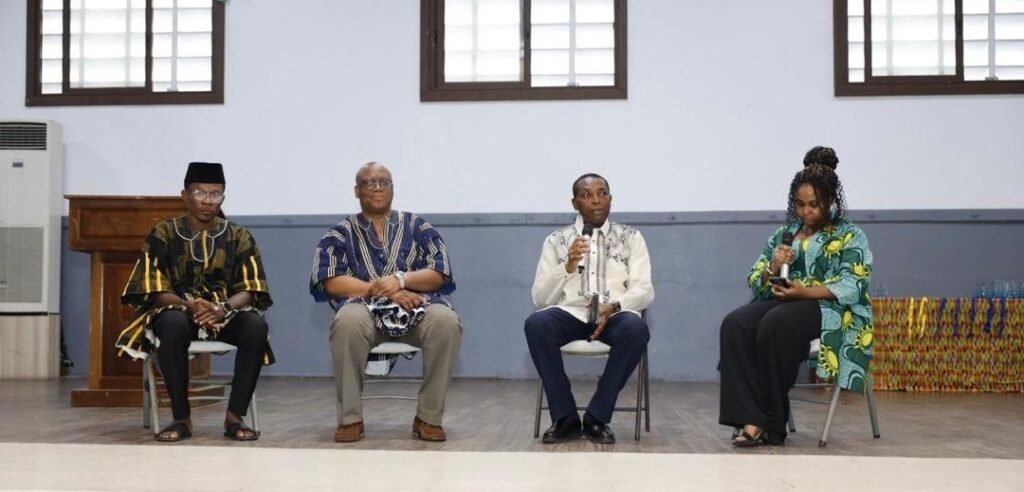
Delivering a keynote address on the theme “An All-Hands-on-Deck Approach to Transforming STEM Education in Ghana,” Prof. Kponyo issued a powerful call for unified, practical, and inclusive action.
“Across the world, science, technology, engineering, and mathematics are reshaping economies and redefining opportunity,” Prof. Kponyo stated. “For Ghana, the real question is not whether STEM education matters, but how early we introduce it, how practical we make it, and how united we are in supporting it.”
He praised the foundational work of GRAF, highlighting its Robotics-Inspired Science Education (RISE) programme for transforming student mindsets over the past decade. “Through robotics and programming, students have discovered that science and engineering are not abstract ideas, but practical tools they can use to solve real problems,” he said.
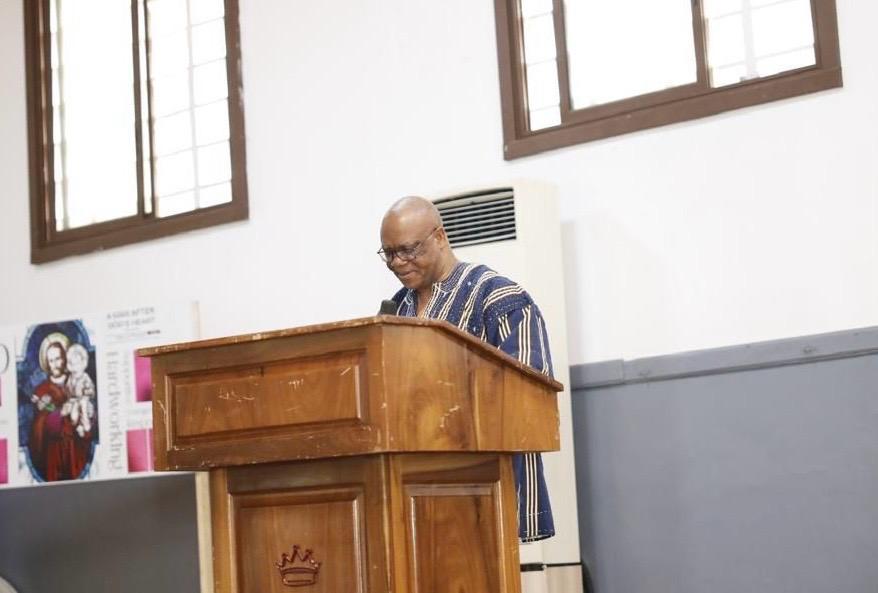
Prof. Kponyo seamlessly connected this work to the broader technological landscape, emphasising the critical role of Responsible AI. “The future of STEM education goes beyond robotics alone… Introducing foundational ideas about AI, data, and ethics at the senior high level, and gradually at the basic level, will help raise innovators who understand both the power and responsibility that come with technology.”
A central pillar of his address was the imperative for inclusion. “Transforming STEM education cannot succeed if it excludes half of our population,” he asserted, championing initiatives like WiSTEM and emphasising that confidence in girls grows through visible role models, mentorship, and equal opportunity.
Outlining the “all-hands-on-deck” strategy, Prof. Kponyo defined roles for every stakeholder:
- Government: To integrate practical STEM and robotics into national curricula with adequate resources.
- Educators: To be supported with training to foster inquiry-based learning.
- Industry: To view STEM investment as a long-term national priority.
- Universities & Research Institutions (including RAIL): To deepen outreach and mentorship to pre-tertiary schools.
- Parents & Communities: To encourage curiosity and creativity in every child.
“In closing, the transformation of STEM education in Ghana is already underway,” Prof. Kponyo concluded. “May we leave here today resolved to put all hands on deck truly, for our children, for our nation, and for Ghana’s place in the global knowledge economy.”
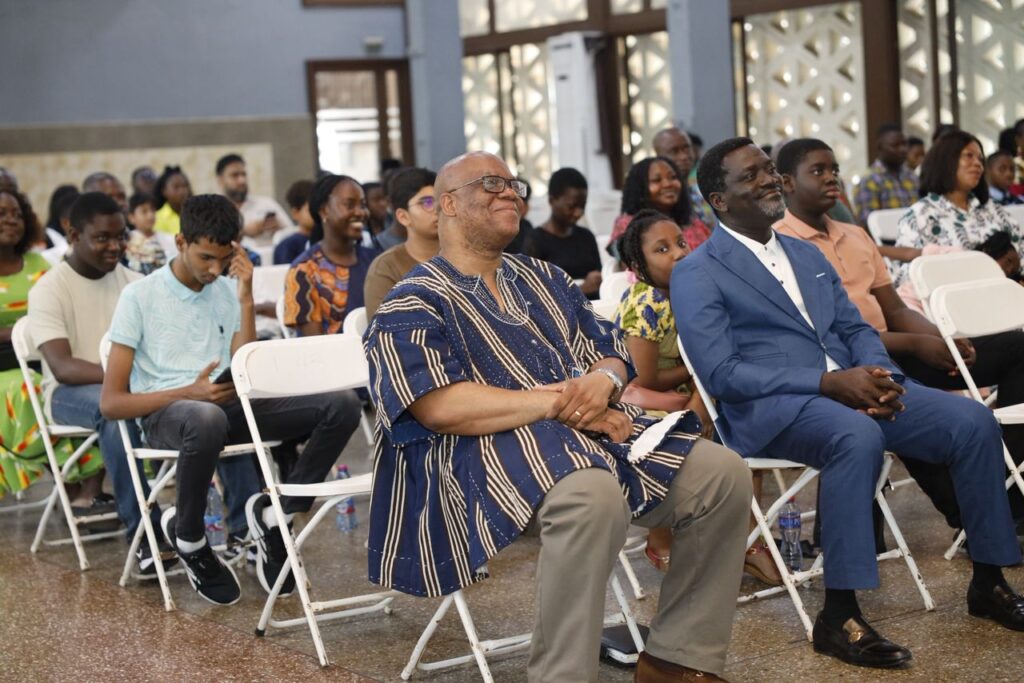
The Responsible AI Lab celebrates this well-deserved recognition of Prof. Kponyo’s leadership and fully endorses his visionary roadmap. We remain committed to partnering with organisations like GRAF, government, industry, and educators to make engaging, practical, and responsible STEM education a reality for every Ghanaian child.